Mesa doesn’t just sprawl, it layers. Historic bungalows near downtown, tidy cul-de-sacs in Eastmark, townhomes along Dobson, and desert-view properties edging Usery. Families move within Mesa for all kinds of reasons: a new school boundary, a shorter commute on the 60, a backyard upgrade, or downsizing after kids launch. The logistics look simple at first glance, yet the details multiply quickly. Successful local residential moving in Mesa comes down to planning around the city’s quirks, packing with the climate in mind, and coordinating the right help at the right time.
The Mesa factor: heat, timing, and neighborhoods
Summer heat shapes every decision. It isn’t just uncomfortable, it changes how you pack and schedule. If you load a truck after lunchtime in July, soft plastics can warp and candles turn to soup. Even furniture finishes get tacky. For residential moving in Mesa, early mornings are worth it. Crews that show up before sunrise are not being dramatic, they’re protecting your belongings and your energy.
Traffic patterns are another layer. The 60, Loop 202, and surface routes like Gilbert Road or Southern Avenue bottleneck differently depending on school schedules, snowbird season, and event weekends. If you’re moving from Fiesta District to Red Mountain, the route you’d take at noon in March may be a mistake in September at 4 p.m. When residential moving companies know the neighborhoods, they’ll flag those timing traps and suggest realistic windows.
The housing stock varies too. Single-story ranches with wide side yards make for fast staging, while townhome clusters or gated communities with strict HOA rules slow the pace. Some HOAs require move notices, elevator pads, or limit truck parking. Ask early, save a headache later. I’ve seen a three-hour stall because gate codes didn’t transfer with the closing packet.
What a “local move” really means in practical terms
Local residential moving typically covers relocations within the same metro area, but policy lines are less important than logistics. For families, the move often plays out over multiple small events. You might shuttle fragile items and plants in your own vehicle, stage a first-day essentials drop, then bring in professional moving services for the heavy lift on a separate morning. That cadence keeps kids’ beds and school supplies accessible, and it allows you to clean and hand off the old home without juggling a mountain of boxes.
Mesa is large enough that a local residential moving day can still run long. Two single-story homes and short carries can be a six-hour job, yet the same inventory becomes an all-day effort when stairs, disassembly, or a long driveway enter the picture. Expect ranges rather than precise durations, and use home walk-throughs to narrow them.
Pre-move triage: what to keep, what to let go
Families underestimate the time it takes to make real decisions about belongings. The pre-move sort is not a weekend chore, it’s a weeks-long process that pays off doubly, first by cutting the load, second by speeding unpacking. Start with closets and the garage where dead weight hides: duplicate sports gear, expired pantry stock, paint cans, cords with no matching devices. Mesa garages become attics by default, especially in homes without basements. Heat ruins more than you think. Old foam, certain plastics, and low-quality laminates degrade after a couple of summers. If it has gone chalky or brittle, it won’t survive another move.
For keepsakes, choose memory density over https://anotepad.com/notes/jqstyyb9 bulk. A single bin of baby clothing with notes and photos beats six random bags. Photograph art projects and keep a best-of portfolio. For kid coordination, involve them in decisions about their rooms. Ownership shortens the grieving process when a beloved but impractical item must go.
Packing for the desert
Cardboard absorbs ambient moisture, then releases it, which can loosen tape and crush corners. Invest in sturdy, double-walled boxes for books, dishes, and anything heavy. Avoid large boxes for dense items. A too-big book box is a back injury waiting to happen, especially on stairs. Plastic totes seem appealing, yet cheap lids pop in heat. If you use totes, cross-tape them with quality packing tape and avoid stacking them high in the truck.
Heat-sensitive items need special handling. Crayons, cosmetics, candles, vinyl records, certain adhesives, and musical instruments can all warp or melt. Pack them last and load them in your personal vehicle or at least in the truck’s nose where the temperature rise is slower. Electronics should ride in their original packaging if available, or in snugly padded boxes with anti-static wrap for components. Before moving a desktop, snap a photo of the cable setup. That five-second picture saves forty minutes on the other end.
Furniture responds differently to Mesa air. Leather dries and can crack, so condition it the week before. Veneers lift if they sit in a hot truck too long, especially after a clean with water-based products. Keep finishes dry, wrap with moving blankets, and try to limit dwell time before unloading.
How professional crews move families quickly without chaos
Experienced crews stage as they go. The best local residential moving workflow I’ve seen is room by room, with one lead handling disassembly and label checks while others wrap and carry. Mattresses go into bags before leaving bedrooms, framed art gets boxed and stacked in a safe vertical zone, and doorways are protected early to avoid last-minute scuffs.
Labeling makes the difference. A clear system uses three elements: room name, contents category, and priority number. Example, “Kitchen - Pantry - 1.” All priority ones gather near the front of the truck, so they’re first off at the new home. Families with babies or medically necessary items should consider a “0” tier that never leaves sight. If a team takes the time to explain this mapping in the morning, the afternoon unload feels like someone pressed “sort.”
When to hire help and when to DIY
Some families do fine with a rental truck, a stack of blankets, and weekend resolve. Others benefit from professional moving services for the heavy items and fragile pieces, then DIY the rest. The break point usually comes down to three factors: stairs, distance from the truck to the door, and the number of large furniture items. If you have stairs and a long carry, hire help for the heavy lift at minimum. Injury risk climbs fast in heat.
Consider the tools you don’t own. A proper appliance dolly with straps, shoulder harnesses for long dressers, four-wheel dollies for stacks of boxes, doorjamb protectors, runners for tile and hardwood, and enough moving blankets to wrap everything that can scratch or dent. Residential moving companies show up with all of it, and the equipment reduces damage more than extra hands do.
What working with Bulldog Movers looks like on a Mesa move
Families often ask what the day feels like when a crew runs a tight ship. With Bulldog Movers, a local residential and commercial moving company serving Arizona, the day begins with a walkthrough. The lead checks the home layout, confirms the label system, and calls out the high-risk items: a glass-topped table, the upright piano with three porch steps, the 75-gallon aquarium that has to be drained and stabilized in the first hour. They stage pads at the entry, protect bannisters with wrap and foam, and assign one person to hardware management. Every bolt, cam lock, and shelf peg lands in its own bag labeled with a Sharpie. You’d be surprised how many delays come from missing those parts.
On a recent east-to-northeast Mesa move, the team split tasks to beat the heat. One crew wrapped and loaded bedrooms while a second tackled the garage, starting with tool chests so the heaviest items went in before the afternoon spike. They cut dwell time in the truck by timing the unload at the new home for shade in the driveway. You can’t change the sun, but you can pace around it.
Permits, HOAs, and small rules that matter
Mesa doesn’t generally require a special permit for standard moving trucks in residential areas, but HOAs do set local constraints. Some prohibit 26-foot trucks from parking overnight on-street, others require a move window or restrict weekend activity. If you’re in a gated community, confirm vendor access lists and make sure your moving company has the gate code, not just the call box directory, which sometimes fails during midday heat.
Apartment complexes often need elevator reservations and floor protection. I’ve seen moves pause for 90 minutes because the freight elevator key lived in the manager’s locked office during lunch. Get names, cell numbers, and written confirmations ahead of time.
How to structure your move week so life keeps moving
Moves disrupt routines that keep families sane: breakfast, naps, school, work calls. Instead of one big bang, think in phases. Two or three evenings for packing non-essentials, one morning for the essentials pack, a day for loadout and transport, then the following morning for a focused kitchen and bedrooms setup. Keep a “home base” tub for chargers, the Wi-Fi router, a power strip, a small toolkit, light bulbs, three rolls of painter’s tape, and scissors. That tub stays in your car and comes out first.
Pets deserve their own plan. A closed, quiet room with a sign on the door helps dogs and cats avoid a bolt through an open garage. In peak heat, schedule dog walks early and late. Freeze a few water bottles so you can top bowls with cold water through the day.
Pricing realities for local residential moving in Mesa
Local estimates usually blend an hourly labor rate with a travel fee that covers the truck, fuel, and return time. The hourly tick depends on crew size. Bigger crews cost more per hour yet finish faster, often reducing the total. A four-person crew can clear a typical three-bedroom single-story in Mesa faster than a two-person crew by a margin that more than offsets the rate difference, especially when there are long carries.
Access drives price. If a truck can’t get close to the front door and the team has to stage via a long sidewalk or courtyard, the move takes longer. Same with stairs or heavy disassembly. When comparing residential moving companies, make sure each estimate reflects the same conditions: stairs counted, distances measured, and any specialty items listed.
A Mesa-specific essentials kit
Everyone knows about toothbrushes and a change of clothes. For Mesa moves, add sunscreen, cooling towels, a small first aid kit with blister care, electrolyte packets, and contractor-grade trash bags for last-minute catch-alls. Keep a cooler with ice and drinks, including something salty. If you’ve ever had a mover hand you a bag of jalapeño chips mid-afternoon, that was electrolyte replacement by stealth. It works.
For the house, stash extra felt pads for chair legs and a handful of spare cabinet knobs or pulls. Homes around Mesa vary in hardware standards, and small mismatches delay setups. A tube of wood filler and a set of touch-up markers help you handle minor wall scars before they become bigger projects.
The family angle: kids, school, and sanity
The first night in a new home sets the tone. Make beds early in the day rather than waiting until you’re exhausted at dusk. Keep an overnight bag per person with clothes, favorite pillows, and a few comfort items for kids. If school is in session, prioritize the homework zone and backpacks. A labeled “School - 1” box, placed near the entry at the new house, keeps the second morning from unraveling.
Involve kids in something tangible at the new home, like setting up a bookshelf or choosing where the family calendar hangs. Participation is the antidote to displacement. Expect some temporary behavior regressions, and pre-plan easy meals. Mesa’s takeout options are endless, but a simple slow cooker meal plugged in first thing gives you a win without a delivery clock.
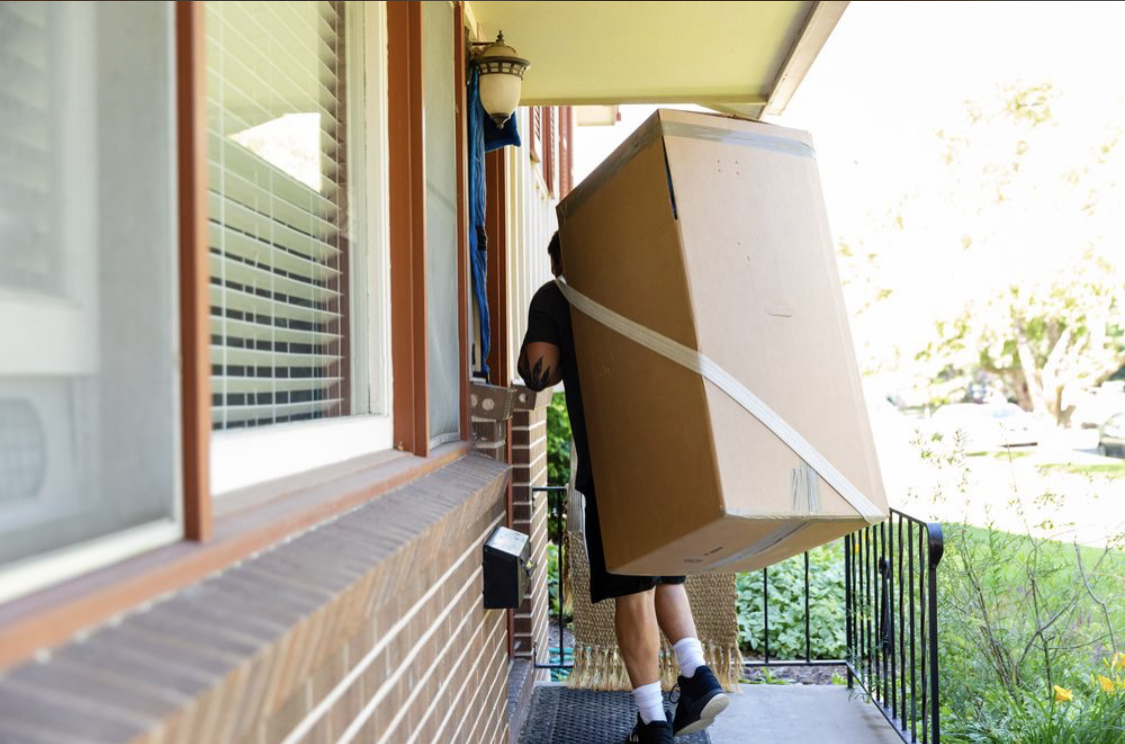
Where Bulldog Movers fits among residential moving companies
Mesa has a healthy roster of residential moving companies, which is good for families. You want options. Bulldog Movers stands out in the way they handle edge cases. Pianos are not unusual here, but navigating one across paver paths without chipping edges requires ramps and patience. I’ve watched their crews prep path protection with spare plywood sheets on the fly, then run a spotter at every corner. They also tend to disassemble more, not less. Dining tables, crib frames, and certain couches come apart cleanly and travel better that way. Reassembly takes time, yet you get fewer “mystery squeaks” later.
On a mixed flooring home in southeast Mesa, their lead paused to tape down paper runners over newly refinished hardwood, then switched to neoprene mats for tile to prevent slips. The choreography matters. A well-run team moves more quietly than you’d expect. That quiet usually means fewer mistakes.
Timing your move in Mesa’s calendar
If you can avoid mid-July through late August, do. Families don’t always get to choose, but if you can slide to early morning slots or shoulder months like October, you’ll cut heat stress and risk. Late spring brings wind, which complicates door-prop strategies and dust exposure. When wind forecasts climb, secure door blankets tightly and keep boxes closed until the last minute to avoid grit between dishware.
End-of-month weekends fill first. If you need one, get on the calendar early. Midweek moves are typically smoother in apartment complexes because elevators and loading zones are less contested.

Packing strategy that keeps the new house livable from day one
Unpacking fails when everything needed is scattered. Group by function rather than strictly by room when it helps. A “Morning Box” with the coffee maker, filters, mugs, cereal bowls, and a small pan ensures breakfast happens even if the kitchen is 70 percent boxes. A “Clean Start” box with glass cleaner, a general-purpose cleaner, microfiber cloths, paper towels, and a compact vacuum or handheld helps reset surfaces on arrival. Mesa dust moves fast. Wiping as you unpack saves time later.
For wardrobes, seasonal packing is different here. Even in winter, keep a few hot-weather outfits available. You might be hauling boxes in 78-degree sun in February. Avoid vacuum sealing anything leather or down for the move; the heat can imprint creases that never release.
Damage prevention on tight doorways and tile
Homes with tight turns require forethought. Measure the big pieces and the target routes. Remove door slabs from hinges when inches matter. Protect tile with soft runners plus a harder layer in high-traffic zones. Tile chips don’t always show until the light hits in the evening. For refrigerators, measure not just doorways but path width with handles on. If you must remove doors, bag and label the screws per door and take a picture of hinge orientation.
Wall corners are the first casualties. Corner guards or temporary foam bumpers are cheap insurance. If you use tape, painter’s tape only. Heat bakes adhesive into paint surprisingly fast, and strong tapes pull color when removed.
The post-move week: finishing well instead of dragging on
Day two is for kitchens and bedrooms, day three for living room and media, day four for garage and outdoor. If you delay the garage, you’ll delay finding the holiday bins and the bike pump. Plan a donation pickup within a week. Once you live in the new space, your sense of what fits sharpens. Those extra chairs you swore you’d use can depart quickly if you line up the service.
Keep an eye on your HVAC returns and filters. Moving kicks up dust that clogs filters fast, which strains systems. Swap filters after the first week. If your new home’s AC is older, schedule a check before peak heat if you moved in spring.
Common pitfalls and how to sidestep them
The most frequent issues I see in local residential moving are missed small parts, unlabeled lampshades, and forgotten freezer contents. Bag parts and tape them to furniture frames or place them in a labeled hardware box. Lampshades need their own box or they warp and stain. Freezers should be emptied the night before and wiped to prevent drip trails in transit.
Another avoidable trouble spot is assuming utilities will be live. Mesa utility transfers are straightforward, but weekend gaps happen. Confirm electricity, water, and internet activation dates, then pack a fallback plan: battery lamps, a phone hotspot, and a cooler for perishables.
When a professional walk-through is worth it, and what to ask
A pre-move walk-through with a company like Bulldog Movers clarifies scope. Expect measurements, a count of large items, notes on stairs and access, and questions about specialty pieces. Good crews will ask about prior damage, tricky driveways, or HOA rules before the truck rolls. Ask them how they handle heat-sensitive items, what their morning arrival windows look like in summer, and how they label parts during disassembly. Their answers will tell you if the day will feel calm or chaotic.
Ask also about contingency. If a monsoon storm rolls in mid-afternoon, where do they stage to keep boxes dry? Do they carry extra floor protection for wet tile? In Mesa, those aren’t hypotheticals.
A measured approach to local residential moving Mesa families can trust
Packing and moving compress a year’s worth of decision-making into a long weekend. The work is physical, yet the wins are mostly logistical: good labels, smart timing, heat-aware packing, and clear roles for family members. Whether you anchor the day yourself or bring in help, plan around the Mesa climate and your home’s access, and give priority to the pieces of life that keep the household running, like beds, breakfast, and school routines.
Residential moving is never just a change of address. It’s a careful handoff of daily habits from one space to another. When you combine realistic expectations with a crew that respects both your belongings and your pace, the process feels less like a scramble and more like a transition. In this market, teams such as Bulldog Movers show how much difference professional staging, labeling, and route planning make. Mesa rewards that discipline. So do families who want the first week in the new place to feel like home instead of a staging area.