Moving across town looks simple on paper. The distance is short, the route familiar, and you can drive over to measure a doorway whenever you like. Yet local residential moving has its own traps, especially in a city that moves as fast as Mesa does at the end and start of each month. The difference between a calm handoff and a chaotic scramble is rarely a single big decision, it is dozens of small ones made in the right order. What follows is a working plan shaped by hard lessons, a few bruised shins, and the rhythms of real moving day logistics.
What “local” really changes
Local moves compress timelines. When the truck only needs to travel a few miles, the loading window tends to stretch because everyone assumes there is time. Traffic windows and elevator reservations become the hard constraints, not highway schedules. You usually pack most items yourself, keep perishables in a cooler, and shuttle a few fragile pieces in your own car. The proximity invites improvisation, which can help or hurt. The best plans make room for those quick shuttles without letting them delay the main work.
When people search for local residential moving in Mesa, they often picture a half-day job. It can be, but only if you build a clean runway. The emotional temperature of moving day runs cooler when every box lands exactly where it belongs, the hardware for the bed is accessible, and the utilities are already humming in the new place. Consider this the field map for getting there.
The week before: reduce, stage, and sequence
Every efficient move starts with less stuff. Purging the week before trims time on the clock and cuts decision fatigue on moving day. If two of something will only serve you once a year, keep the better one. Donate or recycle the rest. A realistic target is to reduce volume by 10 to 20 percent. That often saves a third of an hour during loading and almost the same on unloading, which matters if you are racing an HOA elevator window.
Staging makes the rest of the week calmer. Pick a room to be the outbound depot. As each box seals, it goes to that room with a label on two sides plus the top. You do not need a barcode system. A room name and a few specific keywords are enough, like “Kitchen - glassware - upper cabinet.” Uniform sizes stack better and protect fragile items because the weight distributes evenly.
Families with kids or pets should assign one room as a protected zone. Everything they need for 48 hours goes into a duffel: snacks, a change of clothes, medications, chargers, and a favorite toy. When the house turns into a maze of dollies and ramps, that room acts like a quiet harbor.
The final 48 hours: appliances, utilities, and floor plans
Two days out, the list shifts from packing to prepping infrastructure. Empty and defrost the refrigerator if it is coming with you, and put a towel inside to absorb residual moisture. Disconnect the washer hoses and drain them into a bucket, then tape them to the washer frame so they travel as a bundle. Gas appliances call for a licensed tech, which is easy to forget in the rush. If you need one, book five to seven days ahead.
Walk the new home with a tape measure and painter’s tape. The goal is to translate a mental floor plan into marks that a crew can read without guessing. Couch along the west wall, 9 feet off the corner. Queen bed centered on the south wall. Table in the dining nook, leaves off. Tape each room’s name next to the door. Put a printed floor plan near the entry. You are building a shared language so you do not have to answer the same question 20 times.
Utilities should not be a cliff. Overlap power and internet service by a day if your provider allows it. Local residential moving benefits from a cushion so you can return for a missed drawer or finish a deep clean without working by flashlight.
Dawn of moving day: set the stage before the truck arrives
Aim to be up an hour before the crew window. Clear the path from door to curb, roll up rugs, prop doors, and protect floors. An inexpensive roll of rosin paper and some painter’s tape often saves you from a scratched hardwood dispute. If the building has an elevator, confirm your reservation and install corner guards if they are required. A short text to neighbors helps too. If you live in a tight cul-de-sac, ask two cars to park strategically the night before to hold room for the truck.
Make a small staging ridge next to the front door with the first-load items: safe, jewelry case, essential documents, the hardware bag with bolts and Allen keys, TV remote, and modem. These ride with you, not in the truck. Think of them as the baton you do not drop during the handoff.
How crews actually load a truck for a local move
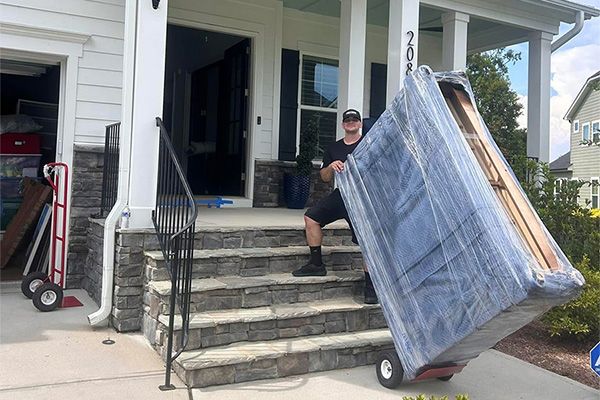
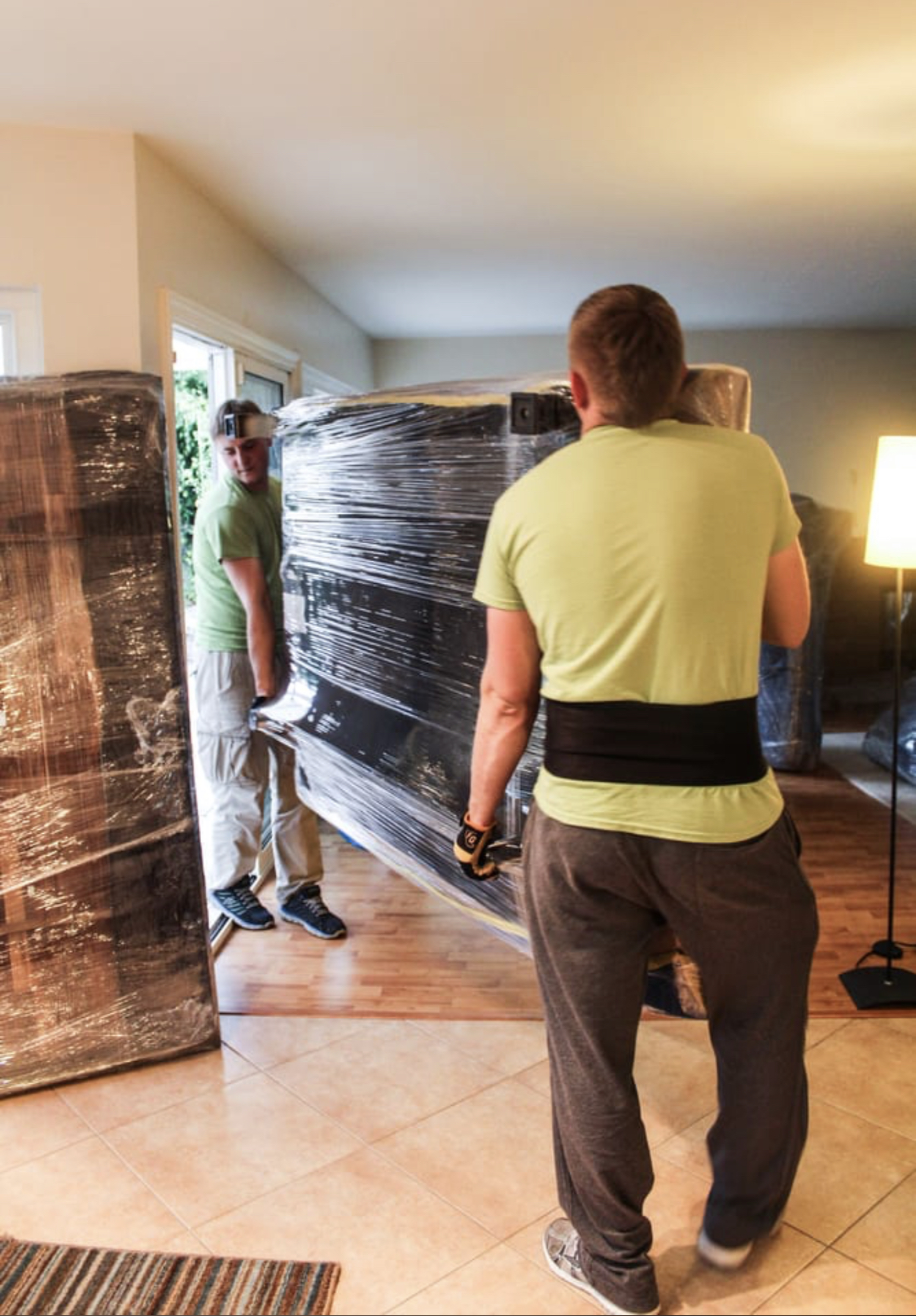
A lot of frustration stems from misunderstanding the order of operations. The heaviest, most stable pieces go in first and form a wall: dressers, appliances, bookcases. Mattresses line the side rails to create a soft barrier. Then come boxes, largest to smallest, packed tight like bricks. Loose items are the enemy of speed. If something does not fit a box, wrap it with a moving blanket and tape the blanket to itself so it becomes a single unit.
Labeling pays off here. If a box says “Kitchen - heavy - pots,” no one will stack it on glassware. If it only says “Kitchen,” it becomes a guess, and guesses cost you time or a broken bowl. A rule of thumb for local residential moving is to aim for 70 percent boxes, 30 percent furniture by volume. If you are closer to a 50-50 split, expect more complexity during loading and unloading.
Mesa has its own pacing factors. Summer heat increases fatigue and requires more water breaks, which lengthens timelines by 10 to 20 percent. Midday thunderstorms in monsoon season can add a tarp dance. Early morning starts mitigate both, especially if your HOA limits move-ins after dusk.
Case vignette from the field: when the elevator fights back
Three years ago, a seventh-floor condo move taught me to treat elevator timing as gospel. The building gave a two-hour exclusive window, then opened to shared use. The client had done a good job packing but staged boxes in three rooms. We lost minutes at every turn pulling the cart around corners instead of feeding it from one central depot. At 1:58, we were still loading the last cart. We lost exclusivity and the move stretched by another hour as residents came and went with dogs and groceries.
The fix was simple and repeatable. Assign one staging room, stack boxes five high with heaviest on the bottom, and keep the dolly parked at that room’s door. The elevator became a conveyor belt instead of a squeeze point. On a later project in a similar building, that change shaved 45 minutes, enough to finish the install and still do a tidy final walkthrough without rushing.
Working with residential moving companies without losing control
Good moving services adapt to your house, not the other way around. A short pre-move call that covers elevator reservations, truck parking, and any specialty items saves everyone from surprises. Be honest about inventory. If you added a garage of shelving to the original list, mention it before the truck is packed to the ceiling. No one enjoys playing Tetris in the driveway at noon.
Ask how the team handles TVs and framed art. I have seen mattresses used as pads for mirrors, which works if done carefully but invites risk if not. Purpose-built mirror boxes and TV crates cost more but keep damage rates low. If you choose to pack these yourself, remove the TV stand and bag the screws with a label, then use rigid foam at the corners.
Crews read the house as they arrive. If the doorway is choked with small items, they know it will be a long day. If the house looks ready, they get into a rhythm. Share your floor plan and speak up about priorities. “Let’s build the kids’ beds before lunch” sets the order without micromanaging.
A practical note on insurance and valuation
Local moves rarely cross state lines, which changes the legal baseline. Released valuation pays pennies on the dollar if something breaks, and it is the default unless you choose full value protection. Read the paperwork and decide your risk tolerance. For a house with an upright piano and a glass curio cabinet, I recommend full value protection. For a minimalist studio with Ikea furniture that is already on its second assembly, you might accept the default and use the savings to replace a piece if it fails.
Photograph high-value items before the crew wraps them. Close-ups of pre-existing stains or scratches prevent misunderstandings. If you plan to claim for damage, report it as soon as you see it, not a week later when everyone has moved on.
When a local move benefits from a two-truck strategy
Not every home needs it, but some layouts do. A narrow driveway with a tight turn can block a full-size truck. In that case, two smaller trucks or a shuttle van reduces time spent jockeying. The same holds for historic neighborhoods with low-hanging trees. Measure your clearance. If branches will scrape the box, call your city’s maintenance line a week ahead or plan for smaller vehicles.
For local residential moving across Mesa, a two-truck approach also helps when the elevator window is short. One truck can preposition boxes while the other handles furniture, creating a parallel workflow at the curb. The extra driver cost can be offset by the shorter total time on site.
How Bulldog Movers stages a local residential move
Bulldog Movers has worked enough Arizona apartment corridors and suburban cul-de-sacs to know that the first 20 minutes on site set the tone. As a local residential and commercial moving company serving Arizona, the crew lead typically walks the path, checks door swing clearance, and establishes a load order with the client. One mover pads and wraps high-risk pieces immediately, while another starts a box train to the truck. By the time the third shoulder dolly comes through the door, the house https://anotepad.com/notes/7x3cac9n feels like an organized flow, not a scramble.
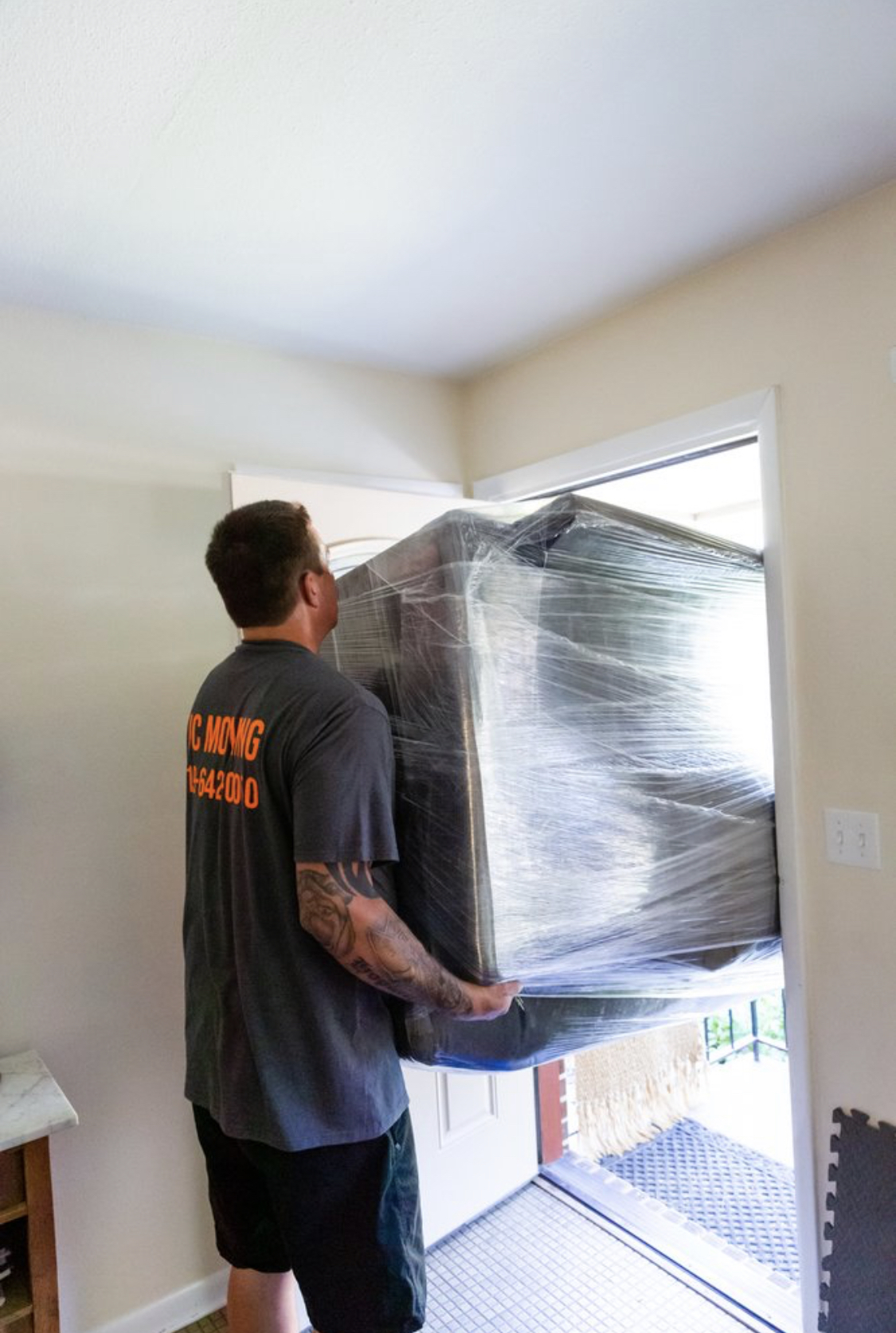
On a recent three-bedroom in east Mesa, Bulldog Movers pre-wrapped a leather sectional inside the living room to avoid dragging it across door trim, then floated it on sliders to the threshold where a ramp took over. That small sequencing decision protected the sofa and the walls, and it let the box team keep feeding the truck uninterrupted. The move finished with time to spare, which matters when the new subdivision only allows move-ins until 5 p.m.
The homeowner’s role on moving day, minute by minute
You do not need to carry a single box to be indispensable. Keep your phone charged, the pathway clear, and the decisions flowing. When a mover asks “Office or guest room for this file box,” answer without wavering. If you do not know yet, choose one and stick to it. Consistency wins over perfection. Put a roll of blue tape in your pocket to mark “Do Not Move” on the last cleaning supplies or the router you are using.
Feed the machine in small ways. Cold water on a 105-degree day keeps people upright and careful. A fan in the hallway moves air in homes without strong AC. Little things preserve energy and attention, which saves more time than it costs.
The first load into the new home: teach the house
Unloading feels faster, but it is where mistakes settle in. The first five boxes teach the house how to behave. If they land in the right rooms, the crew will keep the pattern. If the first few end up in the wrong place, the pile grows in the wrong room and you will spend your evening ferrying loads down the hall. Stand by the entry and direct traffic for a few minutes. Then drift to the primary choke points: kitchen, bedrooms, and any room with a tight doorway.
Furniture assembly often becomes the bottleneck. This is where the hardware bag pays off. I keep hardware in a bright pouch with a carabiner clipped to my belt loop so it never disappears under a packing blanket. Start with beds and a table. These give you places to set things and somewhere to sleep after the adrenaline fades.
Bulldog Movers on the final walkthrough
The last lap matters. Bulldog Movers trains crews to do a paired walkthrough with the client at both ends, origin and destination. In the old house, open every closet, run a hand along the top shelf, and look behind doors. In the garage, scan the rafters for holiday bins. Peek under the sink for cleaning bottles and the lone roll of trash bags that always hides behind the drainpipe.
At the new home, the walkthrough shifts to condition and placement. Look for wall dings near tight turns and note them right away. Confirm that the couch sits where the tape marks promised. If the washer sits with a wobble, it needs leveling feet adjusted. This is the moment to ask for micro-adjustments while the dollies and tools are still out. Ten extra minutes can save you an hour of muscle later.
Edge cases: pianos, plants, and the 10-foot sofa
Special items pull moves off script. Upright pianos travel better with a board and three movers, not two, and elevators determine whether the piano goes upright the entire time or temporarily leans. Clear this with your building manager, because some properties prohibit pianos at all.
Plants do not like trucks. Heat and drafts stress them, and the jostling snaps stems. Transport them in your own vehicle if you can, with a towel to catch soil. Water them lightly the night before, not in the morning, so they are hydrated but not soggy.
Long sofas and tight stairwells demand geometry. Measure the diagonal depth of the sofa and the diagonal width of the stairwell turn. If the turn is tighter than the sofa’s diagonal, remove legs and, if possible, the door to gain inches. When neither suffices, consider hoisting through a large window with proper rigging. Plan that a day ahead, not after six failed attempts in a hallway that needs repainting.
When to upgrade packing, and when to let it ride
Not everything warrants premium packing. Everyday books in sturdy small boxes travel fine with basic tape. But certain items deserve better. Glass table tops should get rigid edge protection, not just a blanket. Lamps need their shades boxed separately with a cradle for the harp. A vinyl record collection stays safe on edge in tight boxes, not loose in a tote where the weight bows the sides.
If you are using residential moving companies for a partial pack, give them the tricky zones: kitchen, art, and fragile decor. Pack the linen closet and the garage yourself. That split uses professional time where it matters most and keeps your cost-to-risk ratio sensible.
The two compact checklists that keep you sane
Here are two short, field-tested checklists that belong on your fridge the week of the move.
- Final 48-hour prep: defrost fridge, drain washer lines, confirm elevator and parking, protect floors, stage the hardware bag, photograph high-value items. Moving day essentials in your car: IDs and documents, medications, chargers and power strip, a change of clothes, basic toolkit with Allen keys and box cutter.
Cleaning, keys, and the last five percent
The hard work does not end when the last box crosses the threshold. Sweep the old floors, wipe counters, and take photos. Landlords and HOAs think in checklists; clean homes mean full deposits and smooth approvals. Collect the garage door remote and spare keys, label them, and hand them over in person when possible. If the buyer or new tenant is arriving later, leave the labeled set with the property manager and send a quick email with a photo for clarity.
In the new home, break down a few boxes and stack them flat in a corner. Recycle pickup in Mesa varies by neighborhood, but a flattened stack of twenty boxes is easy to haul. If you plan to reuse them, keep the cleanest ones and store them under a bed for a month. You will inevitably repack a drawer or two as you settle in.
Lessons from Mesa streets and Arizona seasons
Local residential moving across Mesa means planning around heat, school calendars, and sports seasons. End-of-month Fridays fill faster than Tuesdays in mid-month. If you can, slip your move to a shoulder day. If your home sits on a route with morning construction, consider a late-morning start to avoid flaggers and lane closures. Hydration plans matter. Two cases of water and a cooler with ice are not luxuries in July; they are safety gear.
Neighborhood-specific rules come into play too. Some HOAs limit move-ins to daylight hours. Others require notice for street parking or insist on door jamb protectors. Ask early, ask twice, and get rules in writing. A simple email thread with the HOA office can settle a dispute at 4 p.m. when a well-meaning neighbor questions the truck.
A steady cadence from first box to final walkthrough
A smooth moving day reads like a well-timed playlist. It rises with staging, settles into a loading rhythm, hits a chorus of coordination at the new home, and tapers into a careful walkthrough. The pieces are small but they fit together. Labels on two sides. A single staging room. Floor protection. A hardware bag that never leaves your side. Utility overlap. A floor plan in painter’s tape. And, when you bring in professionals, clear instructions and a bit of trust.
Teams like Bulldog Movers bring muscle and method, but the best outcomes come from a shared plan shaped by the house itself. Do not be afraid to steer. Local moves wear a friendly face, yet they reward the same discipline you would bring to a long-haul job. Get the sequence right, and the last door you close will click with the quiet satisfaction of a day well run.