Moving a household is rarely one-size-fits-all. Most homes include at least one item that breaks the mold, either because it is unusually heavy, uniquely delicate, or both. Grand pianos, oil paintings, chandeliers, gun safes, aquariums, and backyard features like hot tubs demand techniques and tools that go well beyond boxes and dollies. The difference between a smooth transfer and a nerve-wracking day often comes down to whether your team treats these pieces as a specialty move and plans accordingly.
Why specialty services exist
A standard residential moving crew can handle furniture disassembly, packing basics, and short-haul loading with care. Specialty services step in when physics, conservation, or building constraints raise the stakes. A 700-pound upright piano, for instance, concentrates weight in a small footprint and can crush a stair tread if the load is not distributed. A canvas painting can survive a century, then blister in a single hour in a hot truck if it is not protected from heat and humidity. Even a seemingly sturdy appliance has a center of gravity that can surprise inexperienced handlers on a ramp.
Local residential moving in Mesa and other Arizona cities adds another variable: heat. Adhesives https://dantecntg672.tearosediner.net/comparing-residential-moving-companies-what-matters-most soften, cardboard loses stiffness, and finishes expand. Professional crews adjust their methods for climate and terrain, and the best residential moving companies build these adjustments into their standard playbook.
The piano problem, solved properly
Pianos combine mass, fragile finishes, and sensitive internal mechanisms. A spinet or console can be safely moved with a heavy-duty dolly, careful strapping, and a padded wrap. A grand piano, even a baby grand, is a different species. The correct approach is to remove the lyre and legs, bag and pad the body, then place it on a piano skid board, sometimes called a shoe. Straps capture the rim at secure points so there is no crush on the case. On stairs, crews use a belly strap and controlled descent with at least three handlers, sometimes four on tighter steps. On tile or hardwood, they lay path protection first to avoid micro-scratches that only show up in late-afternoon light.
Transportation matters as much as handling. A grand should be secured in the truck against the wall with E-track straps and a buffer of pads. Uprights ride best on their back board side against the truck wall with a strap at low and mid-height to prevent oscillation. Tuning typically drifts after any move thanks to changes in environment, not because the movers “shook something loose.” A good operator tells clients to schedule tuning after the piano acclimates for a week.
Art and antiques: conservation first, logistics second
Fine art is not a single category. Oil on canvas, acrylic on panel, framed watercolors under glass, bronze sculptures, and contemporary mixed materials all respond to stress differently. The move plan starts with a condition check and a packing design. Sleeve and corner protectors on frames, glass taped in a grid to mitigate shard release, and Tyvek or glassine for surface-safe barriers are baseline steps. Light padding can create micro-abrasions on delicate varnish if it is the only layer touching the art, which is why the barrier layer comes first.
Crating is the safest route for high-value pieces. A proper artwork crate is built to the piece, not the other way around, with foam that supports edges and avoids pressure points on the artwork surface. For transport across town, single-use slat crates with rigid foam often suffice. For longer runs or when the truck will be hot, insulated crates buy time and temperature stability. In the desert, a truck interior can top 120 degrees in summer. Acrylic can soften, and varnishes can print against packing. Experienced crews plan the sequence so art loads last and unloads first, minimizing dwell time in the vehicle.
Antiques and heirloom furniture bring their own issues. Old joints can fail if lifted from the wrong point. Glass fronts can flex and pop. Instead of wrapping a curio cabinet and hoping for the best, veteran crews remove glass shelves and doors, label and pad them flat, then reinforce the cabinet body with stretch wrap and moving blankets so the structure moves as one. The same principle applies to clocks. Grandfather clocks should have pendulums and weights removed and packed separately, with the movement secured before any tilt.
Oversized and overbuilt: safes, appliances, and shop equipment
Gun safes and document safes are routine for a seasoned residential moving company, yet they demand respect. The weight sits low, which helps on flat surfaces but becomes treacherous on stairs. Crews use high-capacity appliance dollies with leverage straps and stair climbers when warranted. The route through the house is mapped in advance, including door swing removals and threshold protection. On newer vinyl plank floors, load spreaders prevent denting that shows up as seams creep over time.
Large refrigerators, ranges, and laundry pairs look simple until you account for water lines, gas connections, and stacked configurations. Best practice is to secure drums in front-load washers with transit bolts before moving. Without them, bearings can suffer silent damage, then fail months later, creating a false sense that the appliance was fine after the move. Dryers get flexible vent removal with caps to keep lint from spreading. Gas shutoffs, soapstone counters, and narrow passes near islands often dictate whether a unit must be tilted or a door temporarily removed. A good crew carries water line plugs, gas caps, and the right wrenches so they do not improvise under pressure.
Fragile ecosystems: aquariums and terrariums
Moving a stocked aquarium is a race against time and temperature. Fish tolerate short moves if you manage water quality and oxygen. Pros drain most of the tank, keep established filter media wet in tank water, and bag fish individually or by species with oxygen. Tanks move empty with lids and lights removed, cushioned in a crate or at least double-blanketed with rigid corner protection. Live rock and plants ride in buckets. On local residential moving jobs in Mesa, crews plan for the tank to be one of the last items loaded and one of the first unloaded, then reassembled quickly so filtration can resume. Reptiles in terrariums need warm transport and secured hides. Insulated carriers and heat packs can bridge the gap, but you need a handler who understands both husbandry and traffic.
Outdoor features: hot tubs, play sets, and grills
Hot tubs seem monolithic, yet they are surprisingly flexible and can warp if poorly supported. Correct technique involves draining, disconnecting power, removing panels, and using spa dollies or multiple furniture dollies with wide load spreaders. Tall fences, tight side yards, and masonry steps can trigger a crane pick. Crews coordinate with crane operators, measure lift radius, and secure slings to manufacturer-approved points.
Play sets are best treated like small buildings. Documenting assembly with photos and labeling hardware by component saves hours on the back end. Components with rot or UV damage should be flagged before the move, not during reassembly when a split rung becomes a safety issue. Grills, especially with ceramic cookers, ride upright, grates removed and packed separately, and propane tanks transported per local regulations, often in personal vehicles rather than the moving truck.
The building is part of the move
Multi-story houses, elevators, homeowners’ associations, and desert landscaping all change the plan. Elevators require padding, floor runners, and reservations. Narrow stair turns dictate whether a sectional can be reconfigured or a banister removed. Gravel or decomposed granite in Arizona yards defeats small wheels. Crews bring plywood sheets to create temporary tracks so dollies do not sink, and they stage loads closer to the truck to avoid long carries in direct sun.
For local residential moving in Mesa, timing matters. A 7 a.m. start beats the afternoon heat. Electronics ride in climate-buffered parts of the truck or in the cab. Crews hydrate and cycle tasks so fatigue does not lead to rushed handling as temperatures climb.
Packing as risk management
Packing is not just about speed. It is a risk budget. Professional packers triage: books and linens on autopilot, kitchenware with dividers, and sensitive items with added structure. Dish packs, double-walled and tall, take stemware and plates vertically with paper or foam sleeves. A box of mixed weights is not efficient, it is dangerous when lifted from the wrong end. Every box gets a destination room and a brief contents note. On moves where artwork or collectibles are involved, a separate manifest helps track crate counts and triggers checks at origin and destination.
Climate-aware materials matter in Arizona. Tape adhesives can let go on dusty boxes or in high heat. Crews wipe surfaces where tape matters and sometimes double-band with stretch film for long hot rides. For heirloom textiles, acid-free tissue and garment boxes reduce risk of transfer stains. If a client packs themselves, the mover should be frank about what needs repacking before load day.
Insurance and valuation that actually protects you
Homeowners often assume their personal insurance covers transit. Sometimes it does, often it does not. Moving companies carry liability and offer valuation options. The default released value is usually 60 cents per pound per item, which is meaningless for a 6-pound sculpture worth thousands. Full-value protection assigns repair, replacement, or cash based on declared value and has deductibles like any policy. A responsible mover explains the choices in plain language before the truck rolls, and in the case of a high-value shipment, urges additional riders for art and jewelry that require appraisals.
Documentation is not bureaucracy for its own sake. Photos at origin, especially of preexisting dings on pianos or frames, reduce disputes. Condition reports for paintings and antiques should note craquelure, frame chips, or lifting veneers so any post-move changes are clear.
Training and tools separate specialists from generalists
Any company can buy pads. Not every company invests in piano boards rated for the job, climate-controlled transport when necessary, or custom crating. Look for evidence of training: crews who discuss center of gravity, who ask about attachment points on sculptures, and who lay runners before they lift. Ask specifically about experience with your item type. If a mover says they “wrap it really well, then lift,” that is not a plan.
Regulation matters too. DOT compliance, cargo control gear in good repair, and liftgates with solid maintenance records all show a culture of safety. So do gloves that change based on the item, from nitrile for delicate finishes to grip gloves for heavy steel.
How Bulldog Movers handles specialty items on Arizona jobs
Bulldog Movers, a local residential and commercial moving company serving Arizona, has learned to tailor methods to climate and architecture. On a spring move in Mesa, their crew relocated a 1930s Steinway M from a single-story ranch to a two-story home with tight winder stairs. They scheduled early, staged a piano board and a fourth handler for the turn, and laid Masonite on the hardwood to distribute weight. The legs came off in a padded staging area, hardware bagged and labeled, and the body secured with two belly straps. The client’s request to leave at 11 a.m. was declined in favor of a 7 a.m. start, not out of convenience but to avoid mid-day heat that can stress lacquer. The piano rode against the wall with three strap points and arrived with finish intact. Tuning was set for the following week.
On an art-heavy condo relocation, Bulldog Movers insisted on single-use crates for two large canvases instead of soft wrapping. It added an hour to load day but likely prevented heat printing in the truck. They also coordinated elevator reservations with the building manager and built a rolling schedule to avoid bottlenecks, a small operational detail that kept paintings out of the corridor where sunlight could hit them directly.
When a custom crate earns its keep
Crating is not always mandatory, and it does add cost. But when a sculptural piece has protrusions or a painting has a delicate impasto surface, a crate is cheap insurance. A memorable case involved a mid-century glass pendant that looked robust but had hairline fractures near the canopy. The clients preferred a quick wrap and ride. The project lead argued for a foam-lined crate with a suspension mount to keep torque off the fractures. It took two extra hours to build. During transport, a panic stop threw several items forward. The pendant’s crate shifted, but the suspension did its job. Without it, the piece would have shattered, and the blame would have been academic. The physics do not care who signed the waiver.
Routing, permits, and neighbors
Not every specialty item is fragile. Sometimes it is awkward enough that the route is the story. On a hot tub move, the street layout prohibited positioning the truck close to the yard. The team staged the tub at the side gate, brought in a small crane for a 60-foot pick, and temporized with street permits and spotters. They also posted notices to neighbors about the brief street closure. These soft-skill steps limit friction on move day, especially in tight-knit neighborhoods where one blocked driveway can sour relations fast.
The Mesa factor: desert heat, stucco corners, and tight garages
Local residential moving in Mesa means working around stucco corners that chip easily and garages that fit two cars but do not love tall cabinets. Corner guards and panel shields prevent scuffs on textured walls. For large armoires and garage cabinets, the crew measures diagonals and ceiling height to avoid the classic trap of getting a piece inside only to realize it cannot stand upright. In older homes with narrow bathroom entries, even a standard vanity can refuse to turn the corner. Experienced movers dismantle trim, remove doors, or change the sequence to bring items in through sliders before reinstalling closet systems.
Summer heat forces adjustments to packing glue and tape choices. The smarter play is to stage heat-sensitive items like candles, records, and fine cosmetics for personal vehicle transport, and have the moving crew load them last into a shaded section if they must ride in the truck. Electronics and musical instruments appreciate the same courtesy.
What to ask your mover before specialty item day
A short, focused checklist helps separate a prepared operator from a hopeful one:
- Can you describe how you would move my specific item, including tools and crew size? Do you offer crating in-house, and can I see examples or specifications? How do you manage heat-sensitive items during local residential moving in Mesa? What valuation options do you recommend for artwork and instruments, and what documentation do you provide? Will you assign the same crew lead for pack day and move day, and who is responsible for building protection?
Clear answers indicate experience. Vague assurances prolong risk.
Training moments from the field with Bulldog Movers
Bulldog Movers has a habit worth emulating: after complex moves, the team runs a short tailboard review. On a recent job that combined a safe, a glass dining table, and an aquarium, they noted that the safe transition across a floating laminate floor needed additional load spreaders. The floor survived, but they adjusted the standard kit to include two more anti-crush panels. For the aquarium, they improved labeling on filter media bags, writing origin tank and reassembly order, which shaved twenty minutes off re-setup and reduced fish stress. Lessons like these rarely come from a manual. They emerge from crews that care enough to improve their craft.
DIY vs. professional on specialty items
Few homeowners regret hiring professionals for pianos, art, and hot tubs. Still, some prefer to handle parts of the move themselves. Hybrid approaches can work. A client may pack books and clothes while the movers handle crating and heavy lifts. The key is alignment on handoff points. If a homeowner insists on self-wrapping an oil painting, the mover should advise on materials and flag climate risks. If the client plans to strap down a safe, the crew should set boundaries on acceptable anchoring points inside the truck. The risk shifts are real, and clarity keeps relationships intact.
Residential moving companies and coordination with third parties
Specialty moves often bring in outside help. Piano technicians prefer to handle the reassembly and post-move checks. Conservators may advise on art handling. Crane operators and electricians may be part of the plan. Good residential moving companies are comfortable sharing the stage. They schedule in sequence, confirm access, and carry proof of insurance that meets building and vendor requirements. If your mover resists coordination or insists on “handling everything” without specifics, press for details.
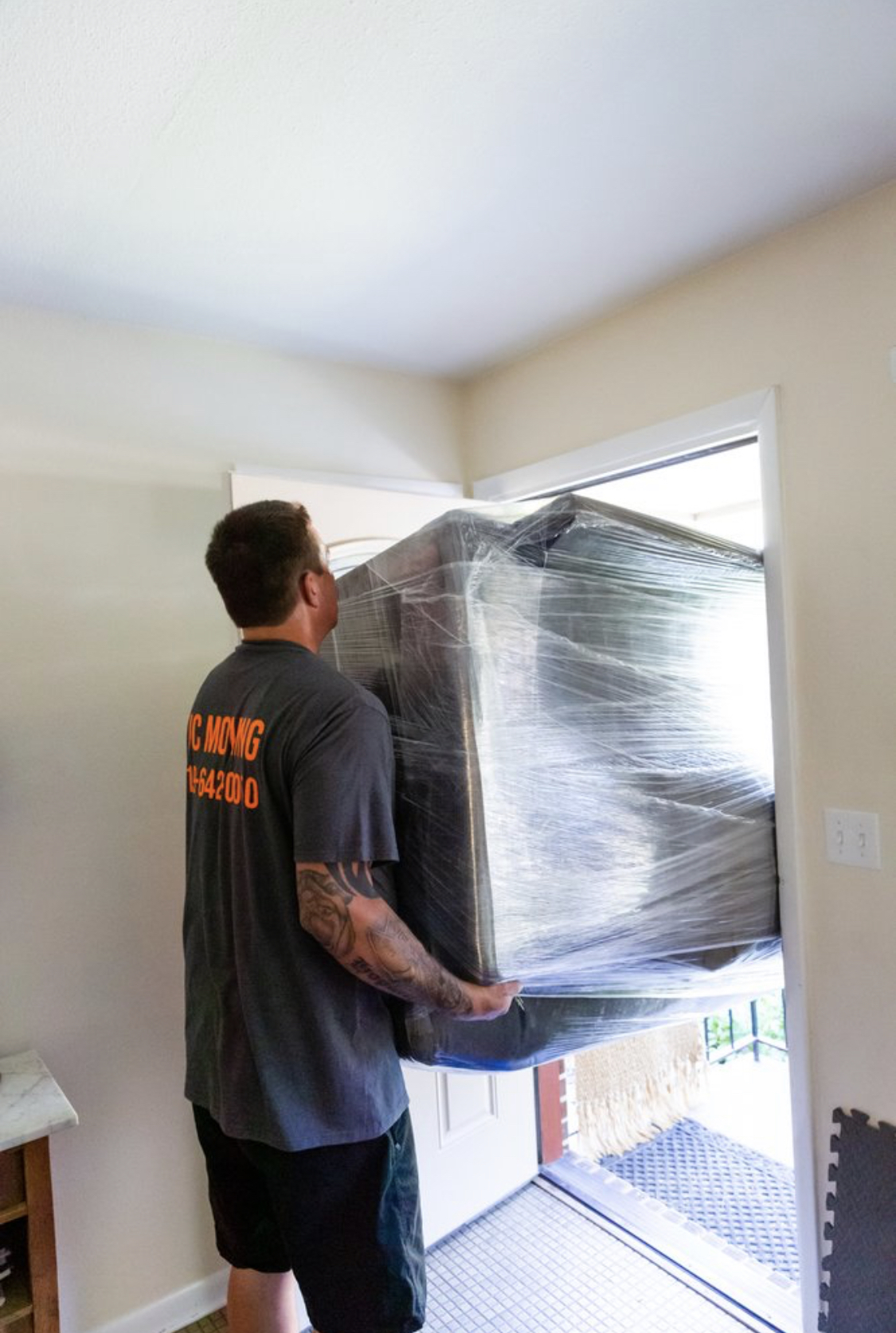
How specialty services fit into a standard move plan
The best way to avoid surprises is to front-load the planning. Inventory the specialty items, decide which ones need crating or third parties, and slot those tasks into the timeline. Heavy lifts often dictate the path through the home, so they should be scheduled before the truck fills with general furniture. Protect the building first, then move the tricky pieces while everyone on the crew is fresh. Save the box runs and mattress moves for later when fatigue is higher but the risk is lower.
Choosing among residential moving companies for special items
Credentials, references, and real answers matter more than glossy websites. Ask for recent jobs similar to yours, not generic testimonials. Look at trucks and gear on arrival day if possible. Clean, organized equipment often correlates with disciplined handling. For local residential moving, pick a team that lives where you live. They will know which streets are prone to mid-morning closures, which HOAs require proof of insurance, and how quickly a truck interior turns into an oven in August.
Bulldog Movers has earned repeat work for difficult items not by grand claims, but by doing small things consistently well: labeling hardware bags, padding door jambs before touching a single chair, and telling clients when a crate is not optional. Those habits translate across piano rooms, galleries, and back patios with equal effect.
The quiet payoff of doing it right
When specialty items are moved by people who respect both the physics and the craft, the day feels calmer. Crews arrive with the right boards, crates, runners, and straps. They speak in specifics and move in practiced rhythm. The piano sings again after tuning, the painting hangs without a new scuff, the hot tub warms back to temperature, and the aquarium clears as if nothing happened. That outcome is never an accident. It is the aggregate of planning, tools, training, and a willingness to say no to shortcuts.
Whether you are moving a studio apartment with a single heirloom or a family home with a mix of instruments, antiques, and outdoor features, treat those special items as their own project within the move. Choose residential moving services that can explain their method, not just their rate. In Mesa and across Arizona, that means respecting the climate, protecting the building, and handling each piece for what it is, not what it looks like from across the room.